
We are here to help.
Address: 2 Colin Park Road, Colindale, London, NW9 6HS
Phone: 020 8205 8300

We are here to help.
Address: 2 Colin Park Road, Colindale, London, NW9 6HS
Phone: 020 8205 8300
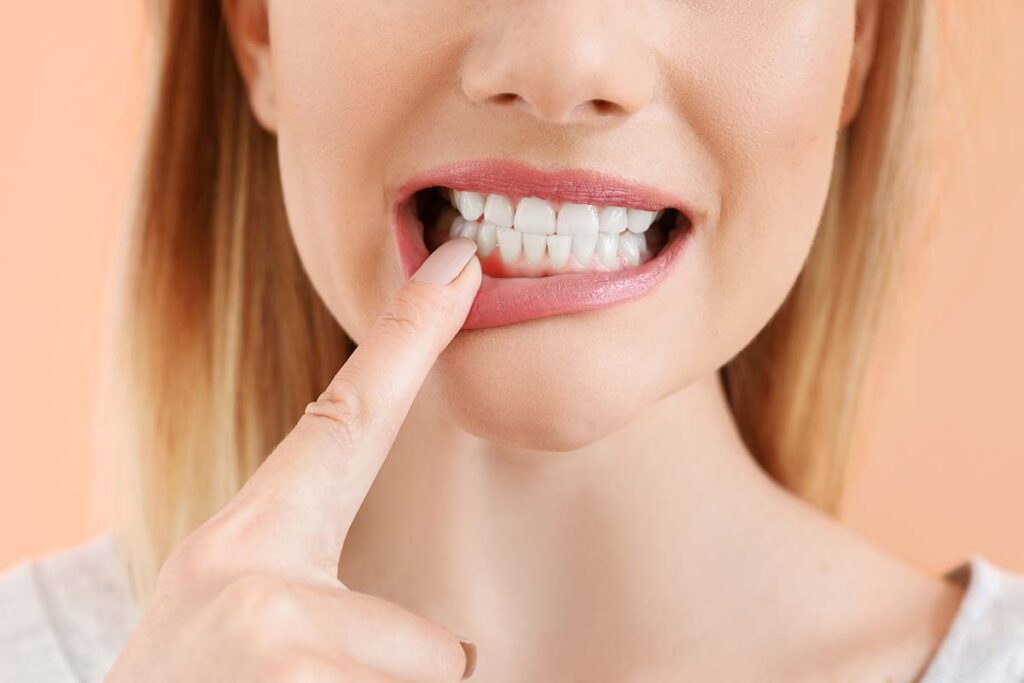
Gum problems can develop gradually and may cause little discomfort at first. Gingivitis is the earlier, reversible stage and is commonly associated with inflammation caused by plaque build-up. If left unmanaged, it can progress to Periodontitis, which affects the structures supporting the teeth.
Signs worth arranging an assessment for include:
Routine dental check-ups can help identify changes before they become more difficult to manage.
The right treatment depends on how advanced the condition is, your oral hygiene, existing restorations and how the supporting tissues have been affected.
Your dentist will assess the gums, look for inflammation and measure areas around the teeth where deeper pockets may have developed.
For early Gingivitis, improved home care combined with professional cleaning may be enough to restore healthier tissues. Our dental hygiene service can support plaque and tartar removal alongside practical brushing advice.
Where Periodontitis is present, more thorough cleaning below the gumline may be recommended to reduce bacterial deposits and inflammation. The exact approach is based on your individual findings.
Gum disease treatment in Colindale is planned to control the condition, protect remaining support around the teeth and make ongoing maintenance easier.
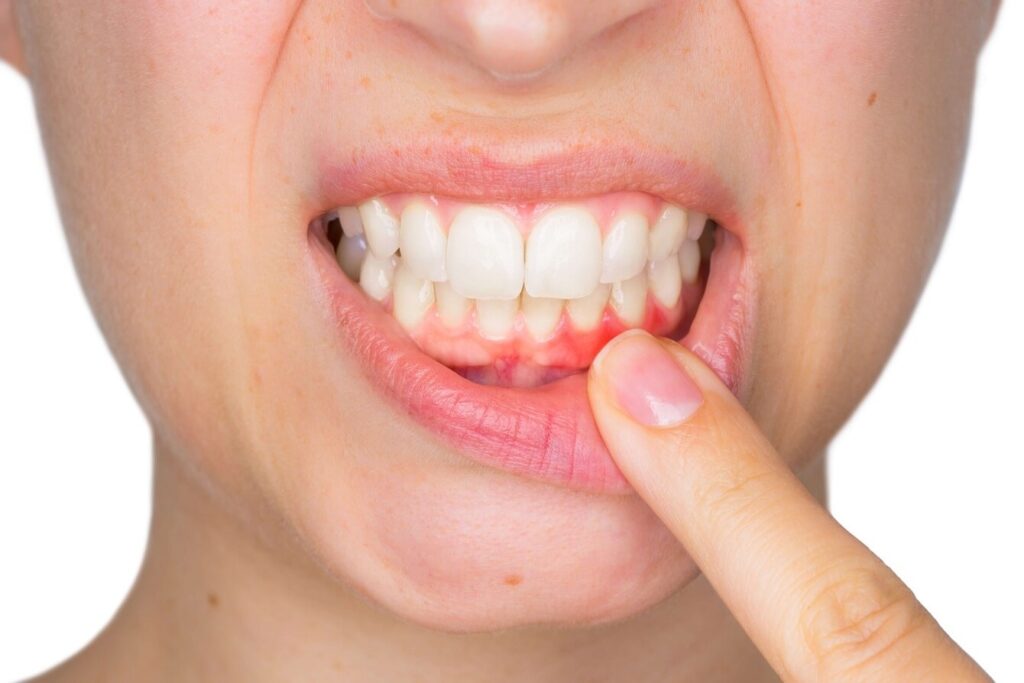
Gum disease can range from mild inflammation to a more advanced condition affecting the tissues and bone that support your teeth. Identifying the stage is important because it helps your dentist determine the most appropriate level of care and maintenance.
Gingivitis is the earliest and mildest stage. Plaque accumulating around the gumline can cause redness, swelling and bleeding, particularly when brushing or cleaning between the teeth. At this stage, the supporting bone has not been lost, and the condition can often be reversed with effective plaque control and professional hygiene care.
If inflammation progresses below the gumline, spaces known as periodontal pockets can develop between the gums and teeth. Plaque and hardened deposits called calculus can accumulate within these areas, making them more difficult to clean effectively at home.
As Periodontitis progresses, deeper pockets and attachment loss, meaning loss of the tissues supporting the tooth, may occur. Gum recession can expose more of the tooth or root surface, while supporting alveolar bone around the teeth may also be lost.
Advanced Periodontitis involves more significant loss of the tissues and bone supporting the teeth. Teeth may become loose, change position or become increasingly difficult to maintain. Gum disease treatment in Colindale at this stage focuses on controlling active inflammation, preserving teeth where clinically possible and establishing an appropriate long-term maintenance programme.
Waiting until symptoms become severe can allow further damage to occur. Prompt care may help reduce bleeding, improve comfort and preserve the tissues that keep teeth stable.
Healthy gums are also important before and after restorative procedures. If you are considering dental implants, controlling active inflammation can be an important part of treatment planning. Patients with existing implants can also read about peri-implantitis, which affects the tissues surrounding an implant.
Long-term results depend on consistent maintenance. Your dentist or hygienist will explain the cleaning routine most appropriate for you.
Helpful habits may include:
For practical home-care guidance, read our dental hygiene tips or explore further advice in our dental blog.
Yes, early Gingivitis can often improve when plaque is controlled effectively through better home cleaning and professional care. Regular reviews help confirm whether inflammation is settling.
Periodontitis causes loss of supporting tissue, so the aim is usually to control the condition and prevent further progression rather than reverse damage that has already occurred. Ongoing maintenance is important.
Care is planned to keep you as comfortable as possible. Sensitivity can occur during deeper cleaning, but your dentist will explain suitable pain-management options where needed.
The recommended interval varies according to your current gum health, risk factors and response to care. Some patients benefit from more frequent appointments initially, followed by a maintenance schedule.
Yes. Inflammation around implants can compromise the surrounding tissues, which is why good plaque control and regular maintenance are important for long-term outcomes.