Restore Your Smile with a Single Tooth Implant in Colindale
If you are missing a tooth or dealing with a damaged one, a single tooth implant in Colindale offers a reliable, long-term solution that restores both function and appearance. At Corner House Dental Practice, we provide carefully planned implant treatment designed to look, feel and perform like a natural tooth.
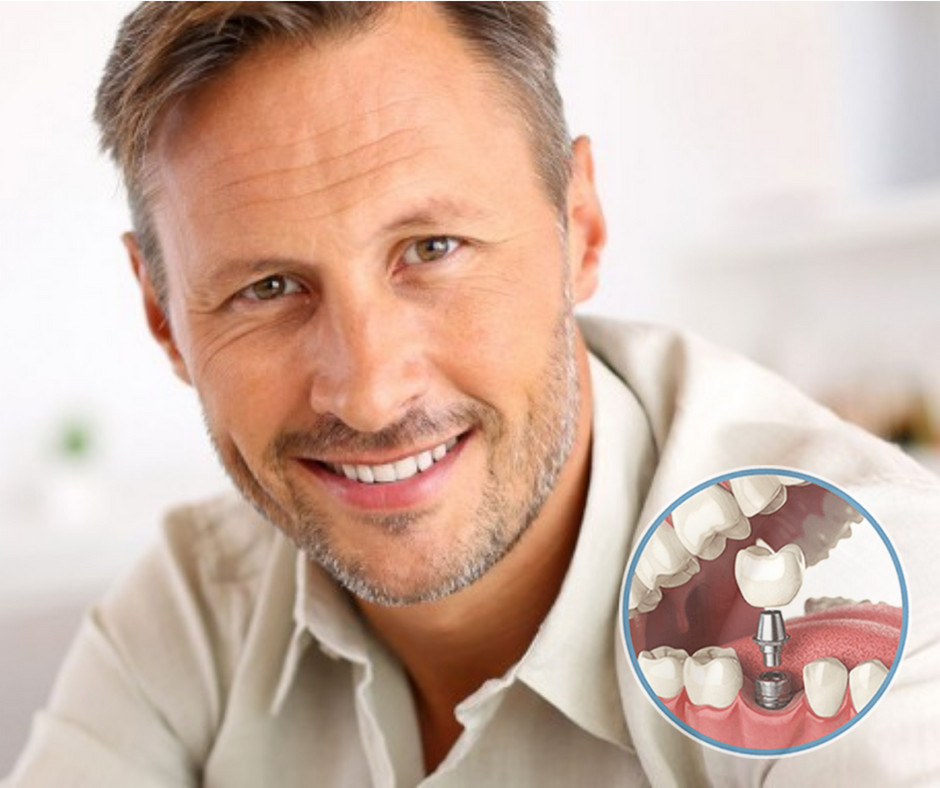
A single tooth implant is designed to replace one missing or severely damaged tooth without affecting the surrounding teeth. It consists of a small titanium post placed into the jawbone, which acts as an artificial root. A custom-made crown is then fitted on top to restore your smile.
This treatment is suitable if you:
Have lost a tooth due to decay, trauma, or extraction
Want a fixed alternative to dentures or bridges
Prefer a solution that looks and feels natural
Want to maintain the health of neighbouring teeth
Unlike traditional bridges, a dental implant does not rely on adjacent teeth for support, helping preserve long-term oral health.
You can explore more options within ourdental implants treatments to see how this fits into your overall care.
Benefits of Choosing a Single Tooth Implant
Replacing a missing tooth is not just about appearance. It plays a key role in maintaining your oral health and confidence.
Natural Look & Feel
The crown is carefully designed to match your existing teeth, providing a seamless result.
Long-Term Stability
With proper care, implants can last many years, often decades.
Protects Surrounding Teeth
Unlike bridges, implants do not require neighbouring teeth to be altered.
Maintains Bone Structure
The implant stimulates the jawbone, helping prevent bone loss after tooth loss.
Improved Function
Eat, speak and smile with confidence without worrying about movement or discomfort.
The Single Tooth Implant Process
We believe that understanding your treatment helps you feel more confident and informed.
The same process applies. Your dentist will assess whether grafting or additional preparation is needed.
Take the First Step Towards Restoring Your Smile
If you are considering a single tooth implant in Colindale, Corner House Dental Practice offers experienced, personalised care designed to restore both function and confidence.
Delaying treatment can lead to further complications, but early intervention helps protect your long-term oral health.