
We are here to help.
Address: 2 Colin Park Road, Colindale, London, NW9 6HS
Phone: 020 8205 8300
We are here to help.
Address: 2 Colin Park Road, Colindale, London, NW9 6HS
Phone: 020 8205 8300
A gap left by a missing tooth can affect chewing, appearance and the way neighbouring teeth function. Corner House Dental Practice provides dental bridges in Colindale for patients looking for a fixed way to replace one or more missing teeth. Each case is assessed individually to determine whether a bridge, implant or removable option is most appropriate for your mouth, priorities and long-term oral health.
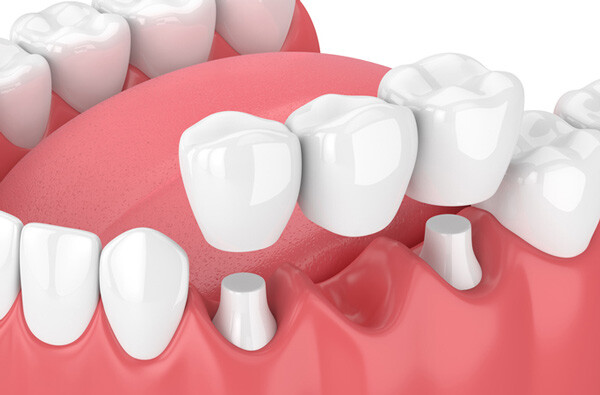
A bridge fills a space by supporting an artificial tooth between natural teeth or, in some cases, implants. It can be an effective option when you want a fixed restoration rather than something removable.
Dental bridges in Colindale may be considered when:
The condition of the supporting teeth and gums is important. Any active decay, infection or gum disease may need treatment before restorative work begins.
Traditional bridges generally use teeth on either side of the gap for support. These supporting teeth are prepared so the restoration can sit securely across the space.
Depending on your circumstances, another design may be appropriate. Implant-supported restorations can also replace several missing teeth without relying on natural teeth in the same way.
The main potential benefits include:
The aim is functional, comfortable tooth replacement that suits the wider condition of your mouth.
Your dentist assesses the gap, supporting teeth, gums and bite. Alternatives are discussed so you understand why a particular approach may or may not suit you.
For a conventional bridge, the supporting teeth are carefully prepared. Records or impressions are taken to guide the construction of the restoration.
Once the bridge is ready, its fit, appearance and bite are checked before it is secured. Small adjustments may be made to help it feel comfortable during normal function.
If a supporting tooth has infection or significant internal damage, root canal treatment may sometimes need to be considered before the final restoration.
There is no single replacement option that is right for everyone.
A bridge is fixed in place and commonly gains support from neighbouring teeth. A denture is removable and may replace several or many missing teeth without the same preparation of adjacent teeth.
A dental implant replaces the missing root with an implant placed into the jawbone and can support an individual restoration or an implant-supported bridge. Implant treatment involves surgery and requires suitable bone and oral health.
Our guide comparing dental implants, bridges and dentures provides further information for patients weighing up these choices.
Our dental bridges in Colindale have a lifespan that varies according to oral hygiene, the condition of supporting teeth, bite forces and ongoing maintenance. Regular care is especially important because plaque can collect around and underneath the restoration.
Protect your bridge by:
Good maintenance also helps protect the natural teeth supporting the restoration.
Patients considering dental bridges also visit Corner House Dental Practice from:
Corner House Dental Practice is located at 2 Colin Park Rd, London NW9 6HS. Call 020 8205 8300 to discuss an appointment.

There is no fixed lifespan. Durability depends on the condition of the supporting teeth, cleaning, bite forces and regular professional care. Your dentist can monitor the restoration during routine examinations and identify problems early.
Treatment is carried out with appropriate measures to keep you comfortable. Some temporary sensitivity can occur after teeth have been prepared, but persistent discomfort should be assessed.
Yes, certain designs can replace more than one missing tooth, although suitability depends on the size of the gap and the available support. Larger gaps may sometimes be better managed with implants or a removable restoration.
Conventional treatment normally requires preparation of supporting teeth, which removes some tooth structure. This is an important consideration when comparing treatment options, particularly where neighbouring teeth are otherwise healthy.
Possibly. Both options can provide fixed tooth replacement, but they work differently. Your oral health, bone levels, condition of adjacent teeth, treatment preferences and clinical findings all influence the recommendation.
If you would like to make an appointment to have a consultation with our expert team in Colindale dentist, or if you have any general enquiries about the services we offer please don’t hesitate to get in touch.